 ES
 IT
 DE
 PL
Is Frontier Airlines Good, or Just Cheap? An Unfiltered Review
Yes, if you pack lightly, fly a short nonstop flight, and are flexible in your travel plans. If you would like the more detailed answer, the honest pi...

 24/7 Flight Support
Click To Call
Call Us — Choose Your Region
24/7 support available in your language
 English
 French
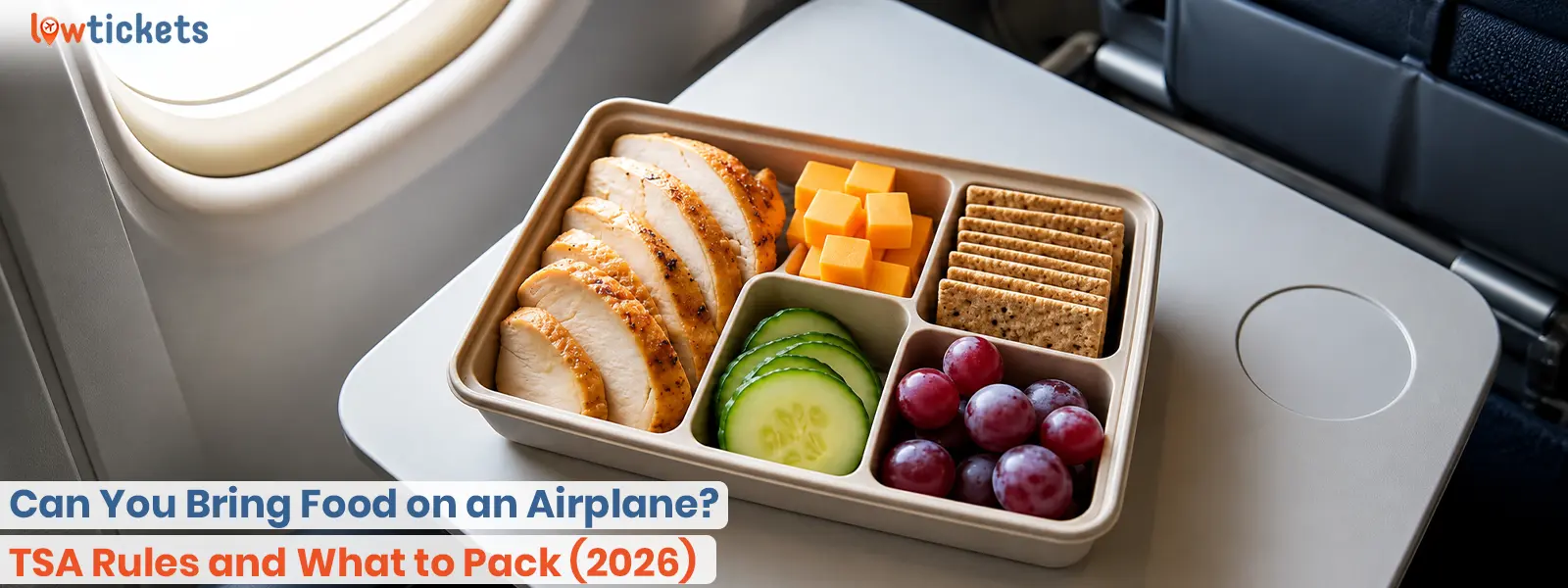
Table Of Content
Yes, you can take foods on an airplane, but the restrictions will vary depending on the type of food being taken. The Transportation Security Administration usually allows solids to be packed in both carry-on and checked bags, whereas liquids and spreadable foods have further restrictions.
In regard to carry-on bags, the TSA food rules include many types of foods that people normally consume, apart from the liquids and gels that should abide by the 3-1-1 liquids rule. Food like baby food, formula, breast milk, and medically necessary foods are some of the exemptions that one might need for their travels.
This guide highlights the different kinds of food that can be carried in the bags and the ones that might lead to trouble during travel.
Just in case you may have a minute before flying to the airport, here is what you should know; this is where the basics will be found, and the rest contain further information.
The abolishment of the liquids rule has been predicted for many years; however, nothing has changed at TSA checkpoints yet.
Most food problems at security come down to this one rule. Once you understand what a liquid is according to TSA standards, you will be able to save your favorite snack from being disposed of.
According to TSA standards, any product that can be poured, pumped, spread, squeezed, and sprayed is considered a liquid, which is something that surprises a lot of travelers because they think that only drinks are liquids. This is how the 3-1-1 rule applies to carry-ons:
|
Number |
What It Means |
|
3 |
Each container holds 3.4 oz (100 ml) or less |
|
1 |
All containers fit inside one clear quart-size bag |
|
1 |
One bag per passenger |
The officers check the size of the container, not its contents. Even if you have an almost empty jar of peanut butter or yogurt, it is still too big.
Many foods pass through security without any trouble. Here's a quick reference. The following table identifies some of the usual food items for your ready identification.
|
Food |
Allowed in Carry-On? |
Notes |
|
Sandwiches, wraps, burgers |
Yes |
Solid food is fine |
|
Fruit and vegetables |
Yes |
Cut or whole; international rules differ |
|
Nuts, chips, crackers, granola bars |
Yes |
Sealed or open |
|
Cookies, cakes, pies, pastries |
Yes |
Cakes and pies are fine |
|
Cooked meat, chicken, fish |
Yes |
Pack securely |
|
Hard cheese |
Yes |
Soft spreadable cheese follows 3-1-1 |
|
Chocolate and candy |
Yes |
Solid candy is fine |
|
Empty water bottle |
Yes |
Fill it after security |
|
Restaurant takeaway |
Yes |
Solid items only; no big liquids |
The trend is quite clear; foods that are solid, dry, and hard will rarely create any problems, while while soft, spreadable, or runny foods are the ones most likely to be pulled for extra screening.
It all depends on how much time you will spend traveling in the air as well as who your traveling companions are. Below is a table showing good choices against problematic items.
|
Trip Type |
Easy Food Picks |
Likely to Cause Trouble |
|
Short domestic flight |
Sandwich, apple, granola bar |
Yogurt cups over 3.4 oz |
|
Long-haul or cross-country |
Wraps, nuts, cooked chicken, hard cheese |
Soup, dips, salad dressing |
|
Family trip with kids |
Crackers, cut fruit, sealed snacks |
Large juice boxes, applesauce pouches over 3.4 oz |
Packing for an overnight trip? See our guide to red-eye flights for what to bring and what to expect.
These foods count as liquids or gels, so they must be 3.4 oz (100 ml) or smaller in your carry-on, or go in your checked bag:
This is the area in which the majority of tourists get caught. Homemade jam or leftover cranberry sauce may seem harmless, but both are screened as gels.
Certain circumstances come with their unique set of guidelines. The below are the ways in which the TSA treats baby foods, medically necessary supplies, frozen foods, alcoholic drinks and beverages, and food in checked baggage.
Parents traveling with babies receive special treatment in terms of carry-ons and allowances. As a rule, TSA allows baby food, infant formula, and breast milk in carry-ons in quantities above 3.4 oz. Tell the officer at the start of screening, since these items get separate screening.
Make sure to mention this at the beginning of the check as these products need individual screening. One does not necessarily need to be traveling with his/her child to bring mother's milk. Traveling abroad with a baby? Check whether infants need a passport before you pack.
Medically necessary liquids are allowed in reasonable quantities above 3.4 oz. Declare them at screening and keep them separate from your other items. Mention this before screening and keep it separate from other things in order to make the procedure faster.
All frozen solid items are approved by the authorities. Ice packs must be frozen solid when you reach the security checkpoint, because partially melted ice is treated as a liquid.
For carry-ons, the 3-1-1 rule applies to all liquid items, including alcoholic beverages, while for checked baggage, there are specific regulations that depend on the strength of the drink, with in carry-ons, alcohol follows the 3-1-1 rule. In checked bags, drinks over 70% alcohol (140 proof) are prohibited, and drinks between 24% and 70% are limited to 5 liters per passenger in original retail packaging.
There are no restrictions with most foods in checked bags, There are few restrictions on food in checked bags, so they're the best place for large jars and bottles. Wrap and seal liquids well to prevent leaks. Before you load up a checked bag, review 2026 baggage fees in our Delta check-in guide and our United vs. American comparison.
Getting through security is only half the journey. Once you land, customs and agriculture officers decide which foods can enter the country. The customs and agriculture officers will determine what kinds of foods you can cross the border with.
One Easy Trick: Finish fresh fruit and sandwiches before landing so you have less to declare, and always declare any food you're carrying. Entry rules go beyond food. See our guide on visa-on-arrival vs. e-visa before you travel.
Some planning will make it much easier for you and preserve your snacks in their fresh form. So go ahead and pick all of the following tips according to the particular needs of your trip.
Proper planning of food can go a long way into ensuring that the process of security becomes much easier. Planning your food ahead makes security much easier and lets you enjoy your meal stress-free.
With knowledge about TSA regulations regarding solid food, liquids, spreads, and special items, you can eliminate any kind of confusion at the airport security checkpoints.
Travelers to other countries should ensure that they have checked on the destination customs' requirements for any fresh or regulated food. Pack a few extra non-liquid snacks in case of a flight delay or missed connection.
Explore More Articles
Is Frontier Airlines Good, or Just Cheap? An Unfiltered Review
Yes, if you pack lightly, fly a short nonstop flight, and are flexible in your travel plans. If you would like the more detailed answer, the honest pi...
United vs American Airlines: Which Is Better in 2026?
Your right pick between United and American Airlines is all about the favorable baggage policies, operational reliability, and loyalty program value. ...
Delta Air Lines Check-In: How to Check In, Avoid Bag Fees & Skip Airport Lines
Do you know that a nationwide study from LugLess shows that 46 percent of travelers still experience deep anxiety over airport queues and rigid deadli...

Delta Comfort+ vs Premium Select: Which Is Worth It?
The choice of Delta Comfort+ vs Premium Select should be based on whether you want to make a smart investment in value or prefer to have a premium lon...
Lowtickets is the smart choice for travelers who want it all, low fares, fast booking, and dependable support, built into one simple platform for every journey.
Quick Links
Top Destinations
Copyright © 2021 - 2026, Lowtickets. All rights reserved.